
Today we are going to the Ryogoku district in the East part of Tokyo. This area has many museums to visit. I’m going to the Edo-Tokyo Museum which illustrates the past of Tokyo (known as Edo until 1869) through its exhibits and covers many features of the capital from the Edo Period to relatively recent decades. The architecture of the main building is quite impressive as well.
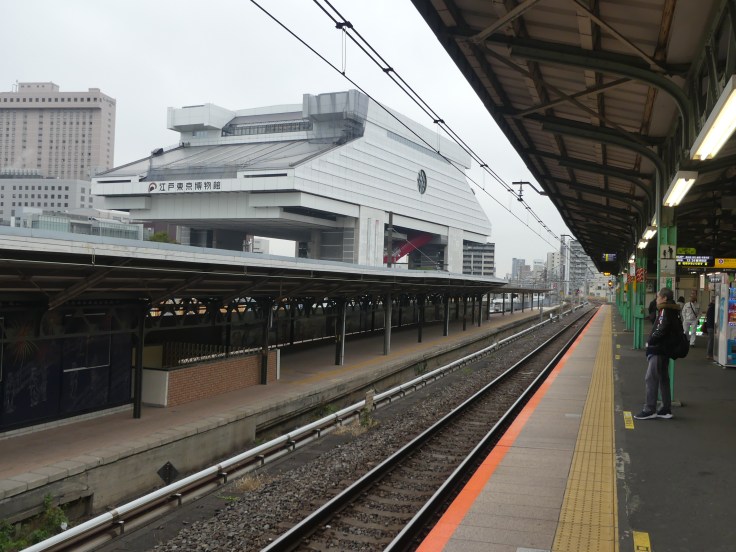 First glimpses from the station. This museum looks like an OVNI right from another planet. Well , that’s Tokyo.
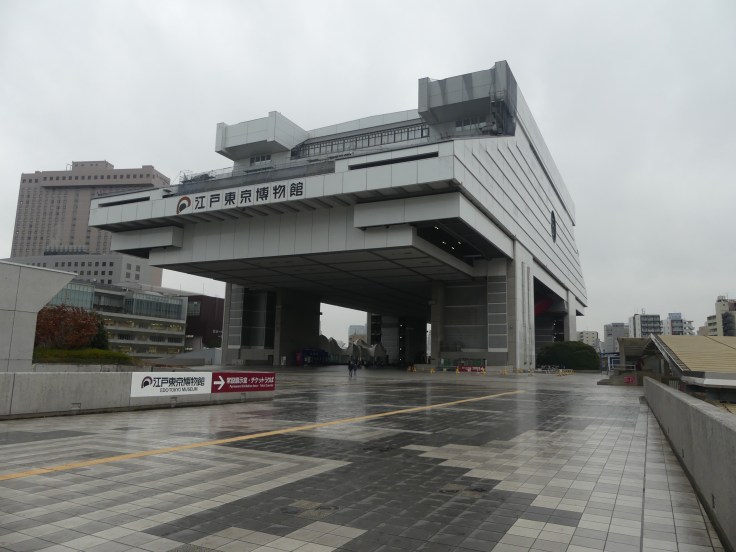 Edo-Tokyo Museum. Designed by Kiyonori Kikutake, the building is 62.2 meters tall and covers 30,000 square meters. The concrete exterior is designed based on a traditional rice storehouse (takayuka-shiki style) and is the same height as the Edo Castle. Kikutake claimed that the building “crystallizes Japanese culture in built form,” concerning the structure’s traditional references but contemporary execution.
Pretty cool isn’t ?
Inside you will find the permanent exhibition which retraces the history of Edo (old Tokyo) from Edo period (between 1603 and 1868) till nowadays. Many school trips are organized here. I was quite happy to finally learn a bit more about the history of Japan.
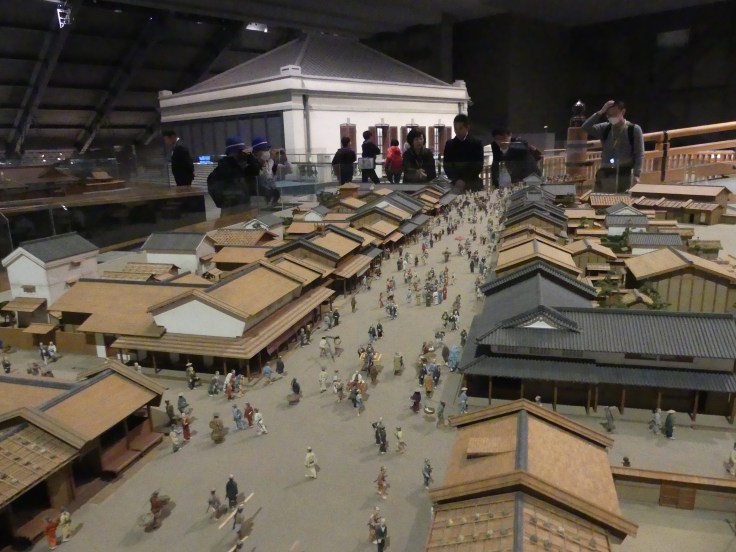
One of the many models that vividly illustrate the past. My Otaku mind keeps recalling the manga Naruto for some reasons ^^ (Naruto run style , on the way to Ramen shop..)
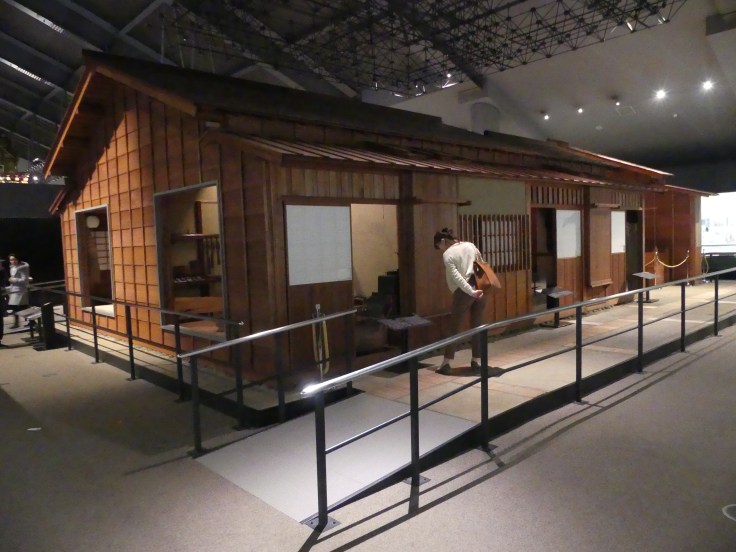 Edo houses.
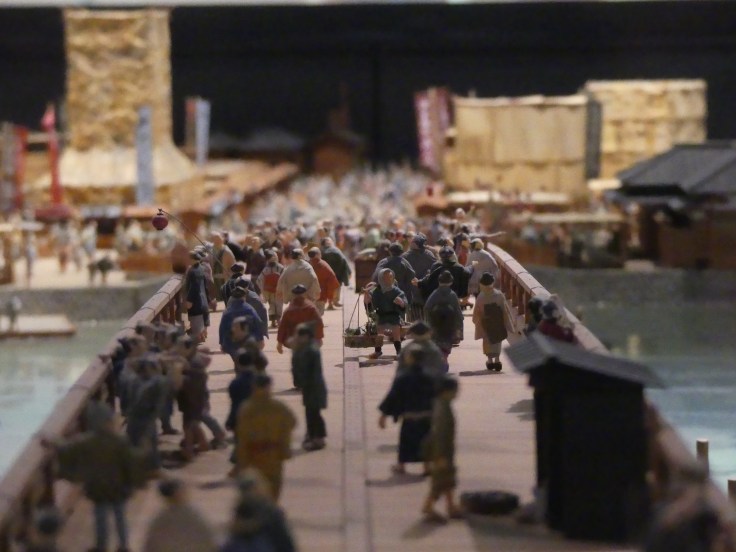 Edo life along the famous Nihombashi bridge.
Nihonbashi Bridge acted as the terminal point for Japan’s five Gokaido roads, allowing the ever-increasingly flow of people and goods in and out of the city that would become Tokyo. From this economic boom, Nihonbashi developed the commerce, performing arts culture, and cuisine that still rival that of other cosmopolitan cities. Nihonbashi was always at the center of the change. Much of Japan has its origin in Nihonbashi.
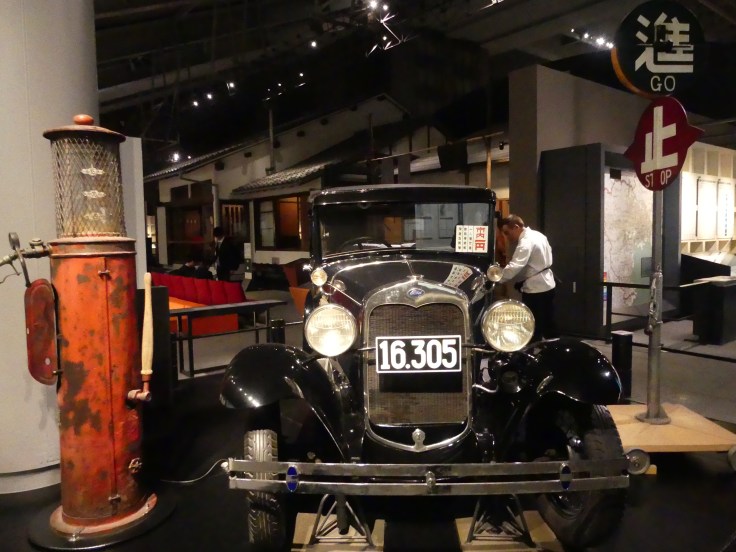 Moving forward in time

The Subaru 360 commercialized from 1958 to 1971. It was the first car accessible to the large public (as it was inexpensive at the time).
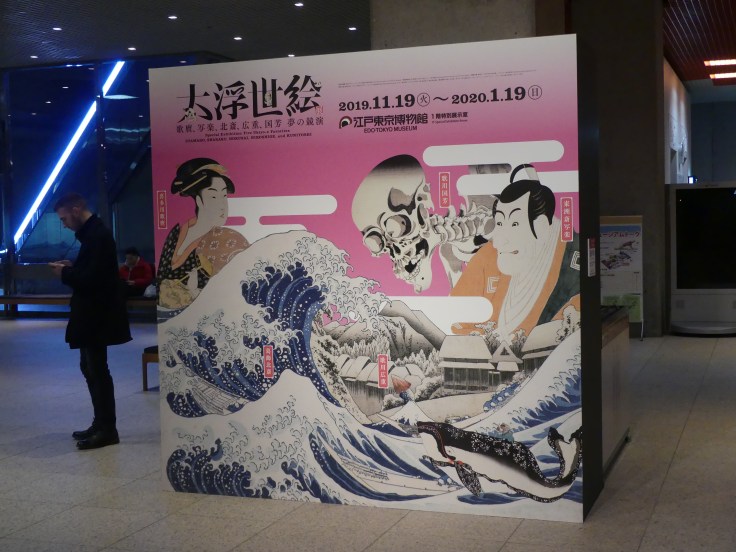
The Special exhibition featuring five of the most famous painters of “Ukiyo-e” which translates as “picture[s] of the floating world”. Utamaro , Sharaku , Hokusai , Hiroshige and Kuniyoshi. Ukiyo-e is a genre of Japanese art which flourished from the 17th through 19th centuries. Pictures were not allowed inside but I would like to share a few paintings (from internet) with you as it was very beautiful.
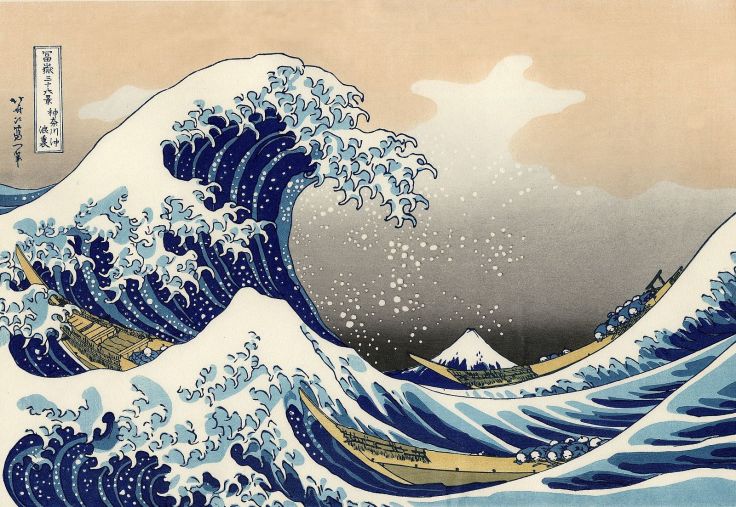 Hokusan and the Infamous “Great Wave of Kanagawa”.
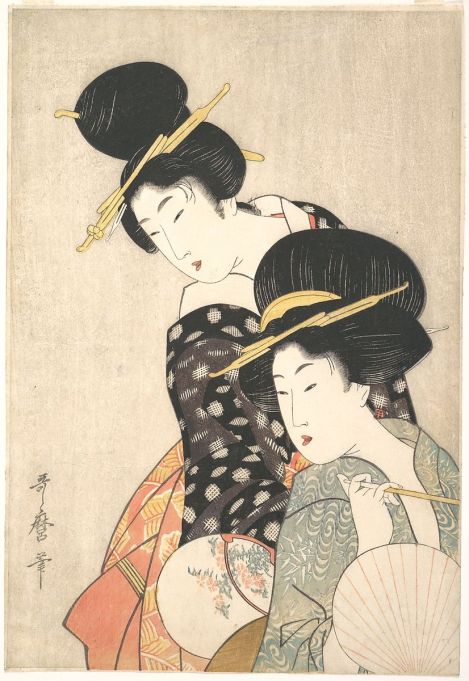
Utamaro with his Geisha’s works.
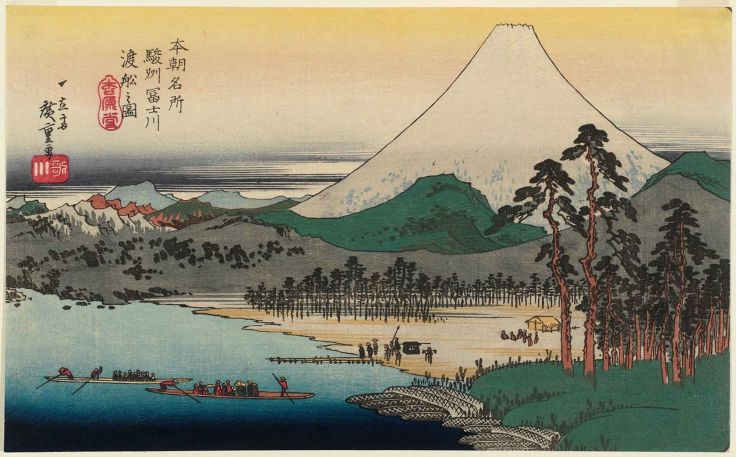
Hiroshige art.
Ukiyo-e, created an important link between the Western and Eastern art world. The art world in Europe felt inspired by the Asian teachings and art. In particular, the Japanese woodblock prints by masters of the ukiyo-e movement appealed to many painters. In the 1870s a term Japonisme was coined. Japonisme referred to the new European art movement that arose from Asian and especially Japanese art. Ukiyo-e contributed to the development of Western art and in particular to the Impressionism art movement (it inspired many famous French painters such as : Monet , Van Gogh or Gauguin).
This afternoon at the museum was very interesting. It shows many aspects of the Japanese culture and history that we simply don’t know about. Museum are like time-traveling machines. The combo ticket for the two exhibitions was around 1800 yen if my memory is good (14 euro).
It was time to get some dinner. In Tokyo life mostly happens around the stations , often along the train lines (or under the ground).
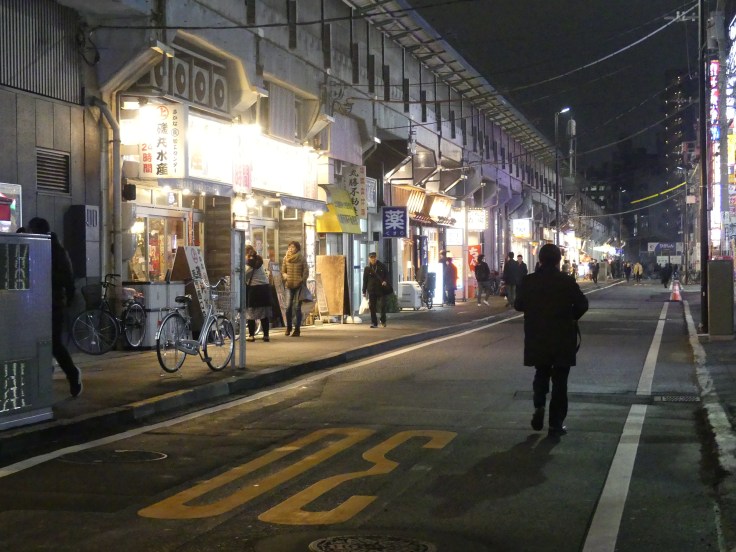 Along the Ryogoku railway.
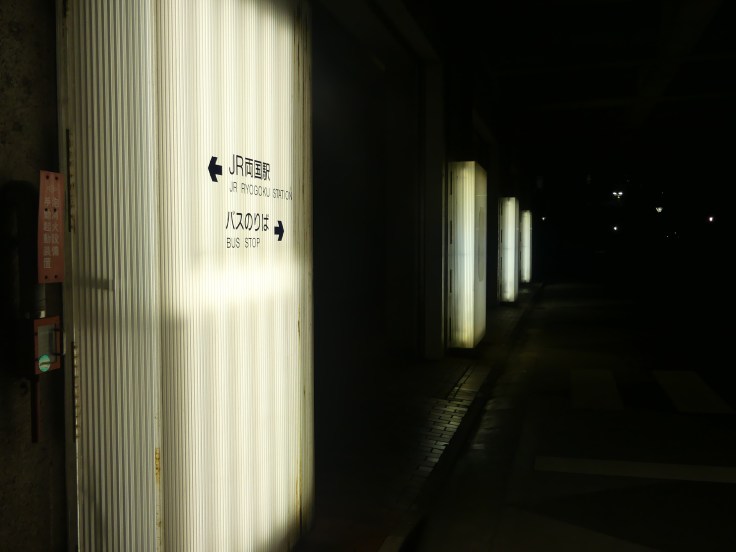
View under Edo Museum.
To finish off the day i’m going to the vibrant district of Shinjuku to get some Decibels in. Indeed Shinjuku is a place with many bars , concert halls and clubs. I got invited to a Indie Rock venue with one of our flatmate (performing with his band). The venues are often small in Tokyo but the energy is always powerful. I was quite happy and suprised to experience a night like that . Rock on !
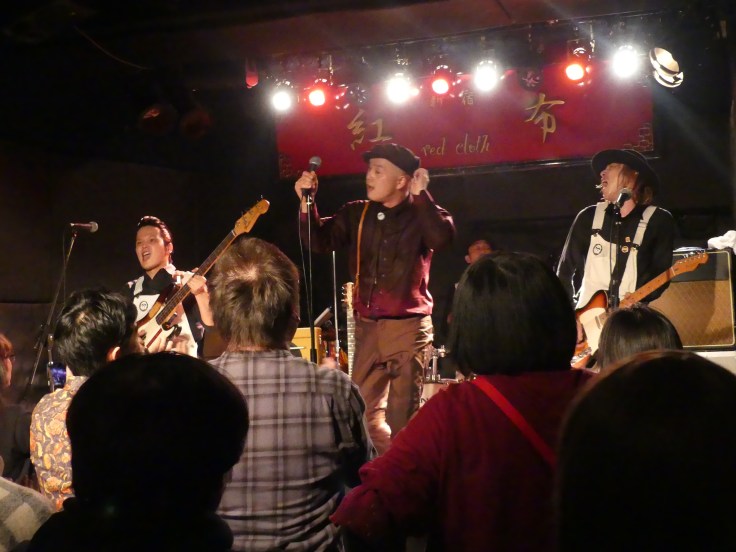
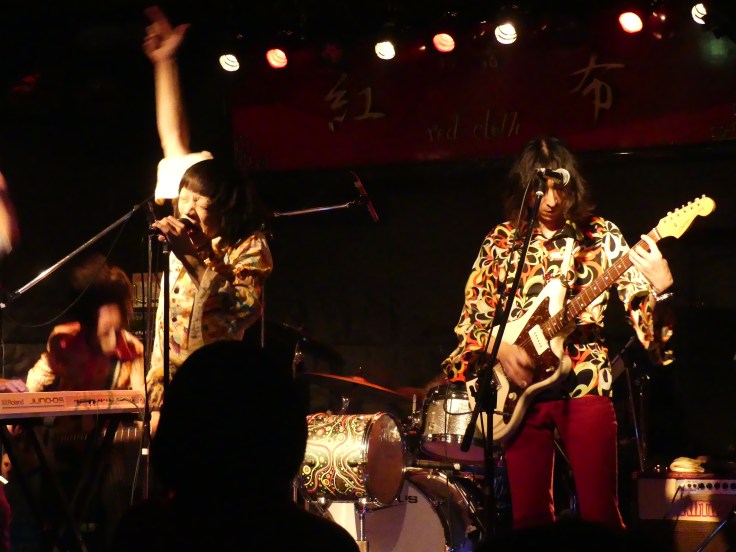
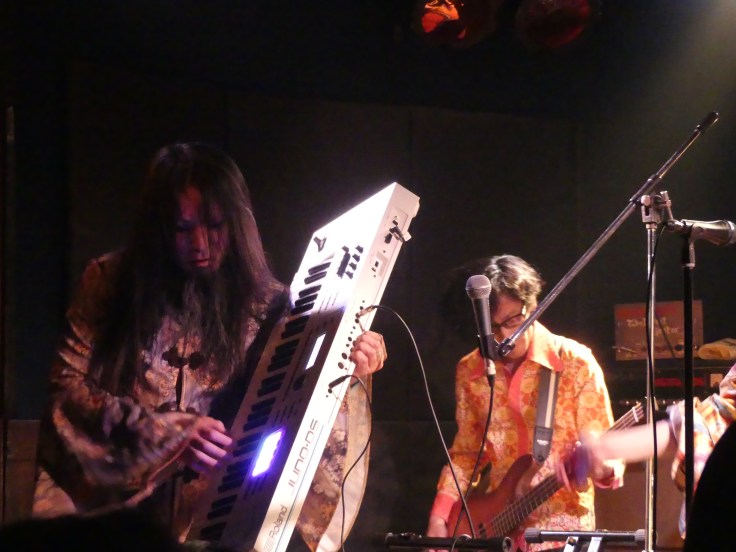
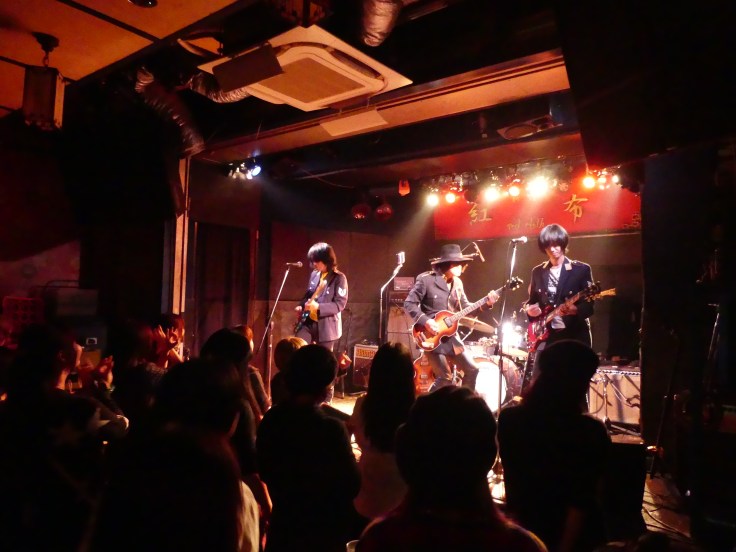
Three bands played that night and it was a proper show !
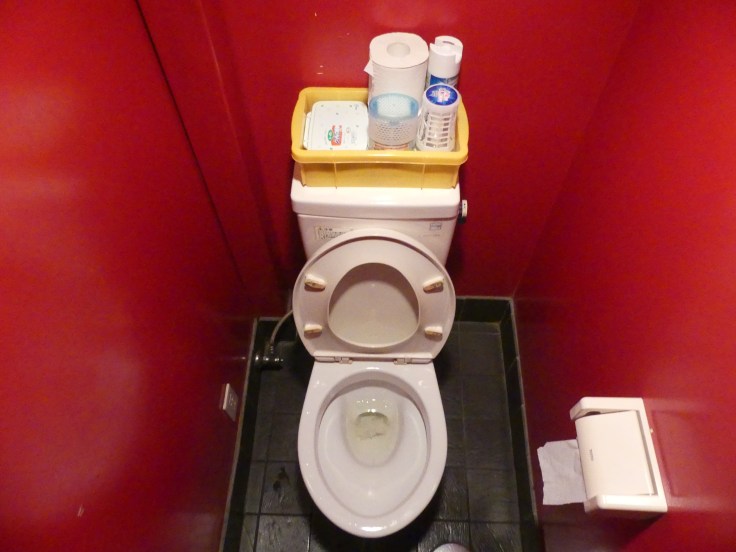 The good old break in the toilet during thoses nights …
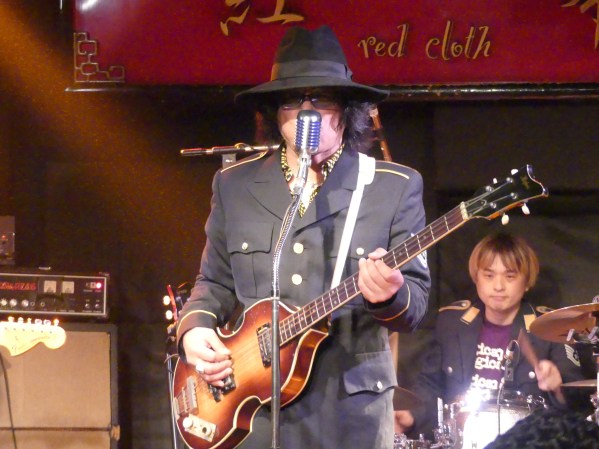
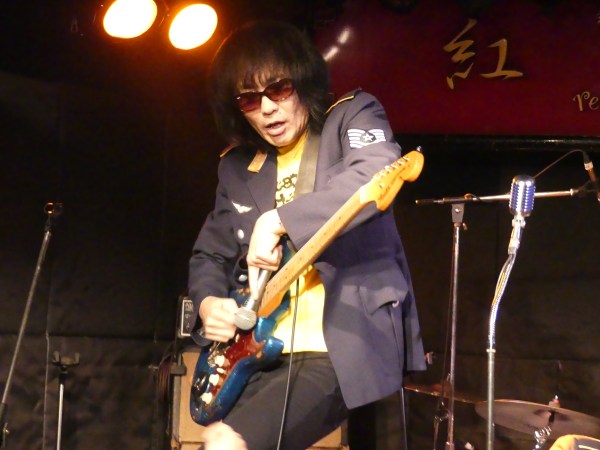
Crazy show.
This was such a high power night ! Definitely something to experience in Tokyo if you like music. When the music stopped the staffs pulled out some chairs and tables and we had a great time chilling out and talking with the musicians. It felt like no boundaries and easy to meet people. I guess if you are a foreigner you attract more people because you stand out from the “norm”. It’s always fun to share our cultures and our ways of interacting.
Another sweet day in Tokyo , from Ancient to Modern Japan.
Ja mata ne !
 free.cloud
Leave a comment