
Exciting time today after coming nose to nose with a new ruin to explore. Japan is well known for having many abandoned hotels. In fact during the 60’s Japan economy was the second strongest in the world and during that “Golden time” many hotels and other facilities opened. Later on during the 90’s the economy of the country began to go down and many of these places had to close. Nowadays a lot of these facilities still remain. They retain memories of a glorious past. This is quite easy to see when you move to the more rural areas of Japan.
In Japan the word URBEX doesn’t exist , that’s why we will talk about “Haikyo”.
which simply means “ruins” in Japanese. This is my first time to do “Urbex” outside of France. Let’s get in …
We are staying in Izu peninsula in Shizuoka prefecture. The area where we are staying is well known for having fantastic Ryokans and onsens.
After walking 2 min from our hotel we saw this facility which didn’t seem open anymore. Our curiosity got bigger and bigger as we got closer.
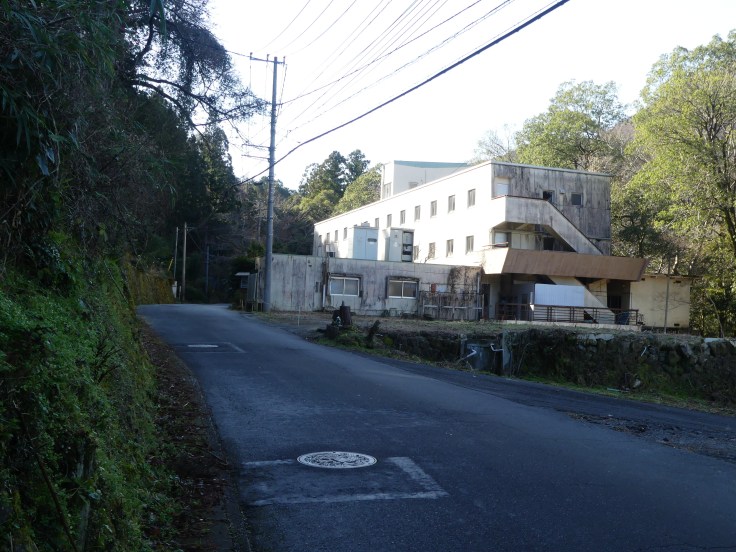
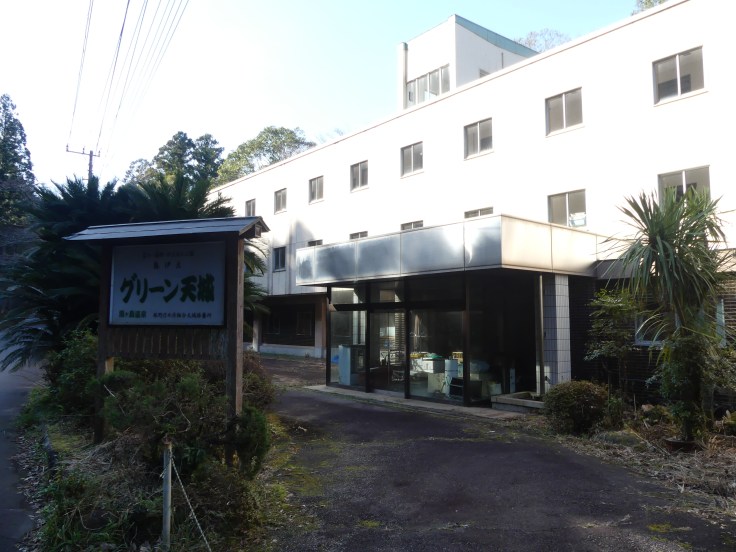 This is a traditional Ryokan or Japanese style hotel. Welcome to “Green Amagi” Ryokan.
The first step in Urbex is to find a way to get inside the building. There is almost no houses around and the main road is very quiet , it should be quite easy but we must stay discreet in all cases. Let’s try to open a window…
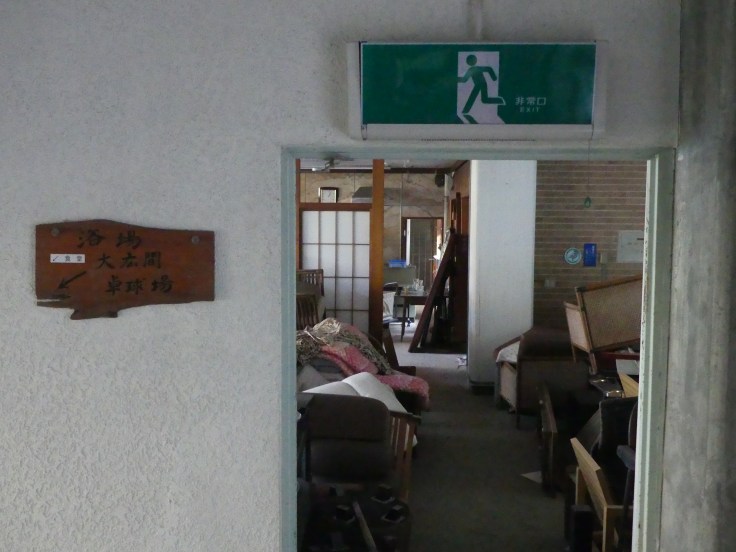
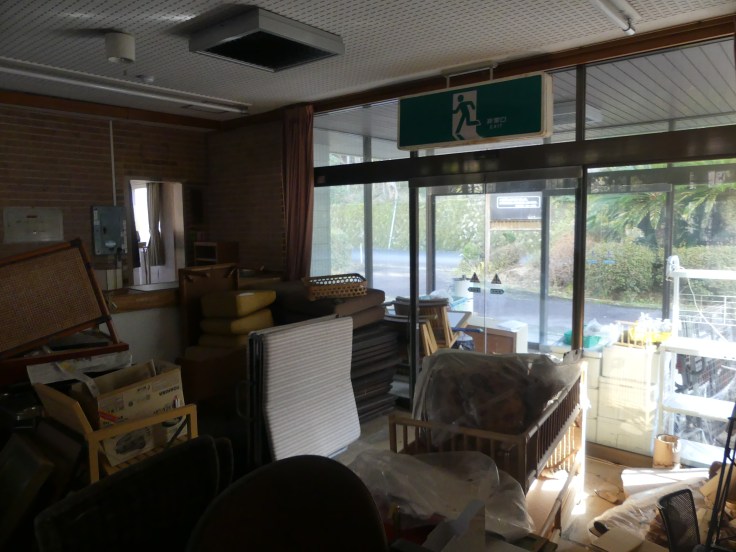 The main hall of the hotel. There is still many furnitures. Finding a way inside was easy as many doors or windows where unlocked. First surprise , no tag and no damage inside. We are lucky to explore such a place.
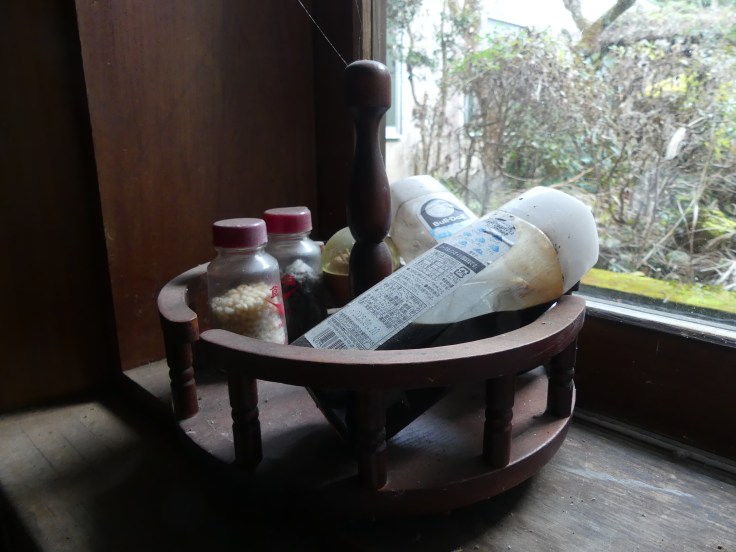 Salt , pepper and Shoju.
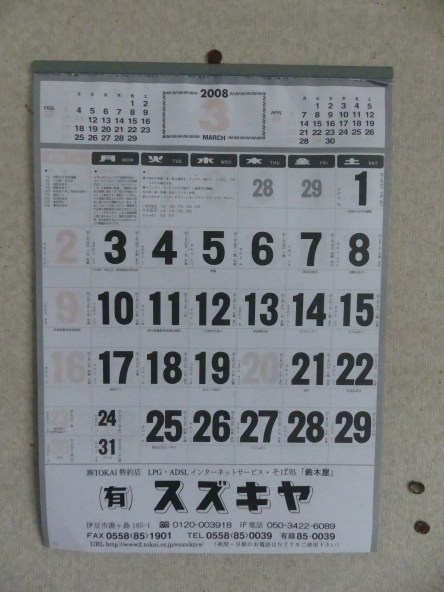
The time stopped in 2008. This is probably when this hotel had to close.
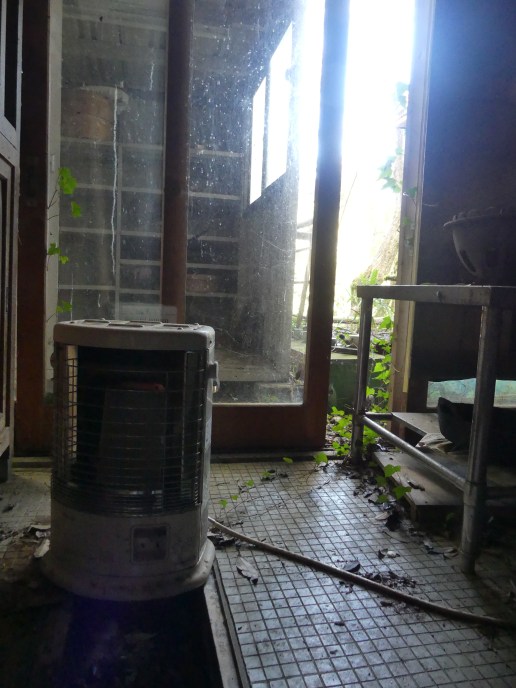
Inside the main kitchen of the hotel.
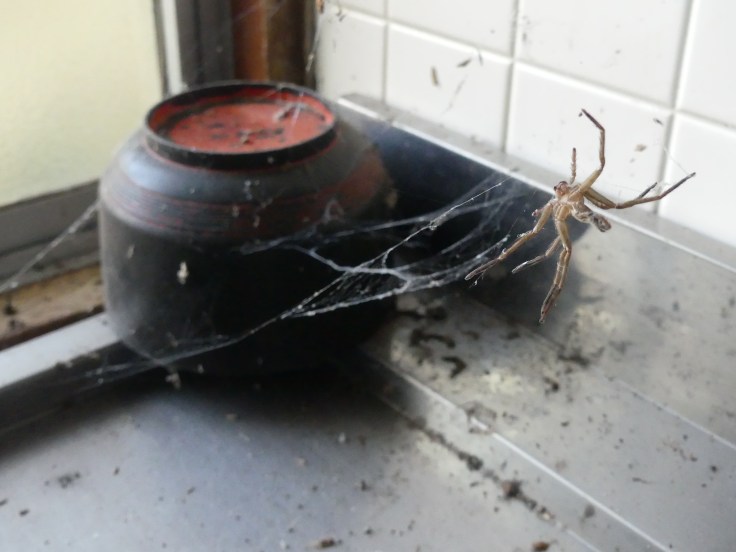
Spider for lunch , anyone ?
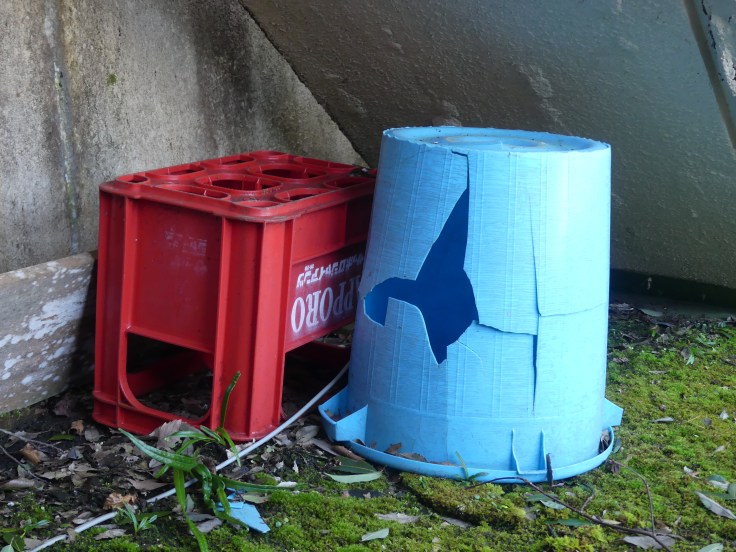
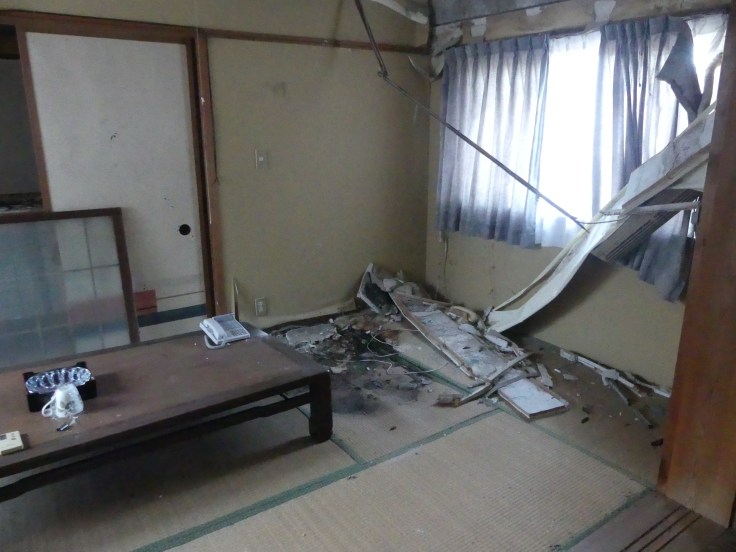 Probably one of the “staff room”.
The hotel had 3 floors. This should be a long exploration. Let’s go up one level.
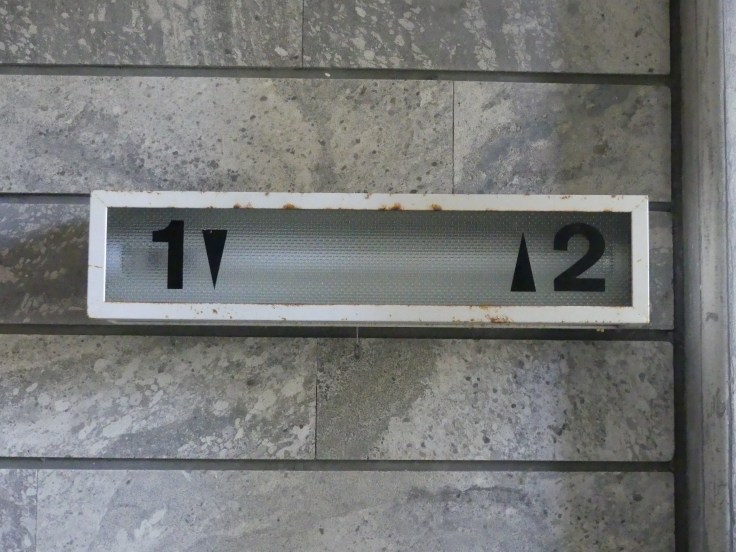
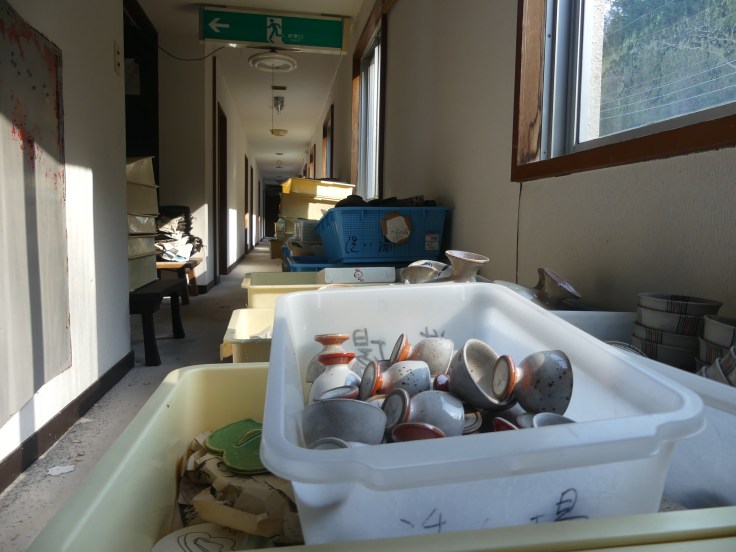 All the furniture still here. What happened here ?
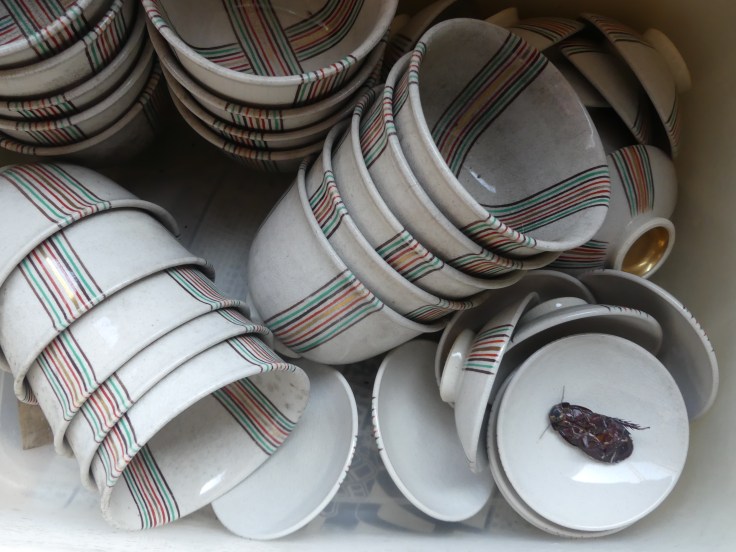 Cockroach and tea cup. All the plates and cups we found were beautiful and still in perfect condition.
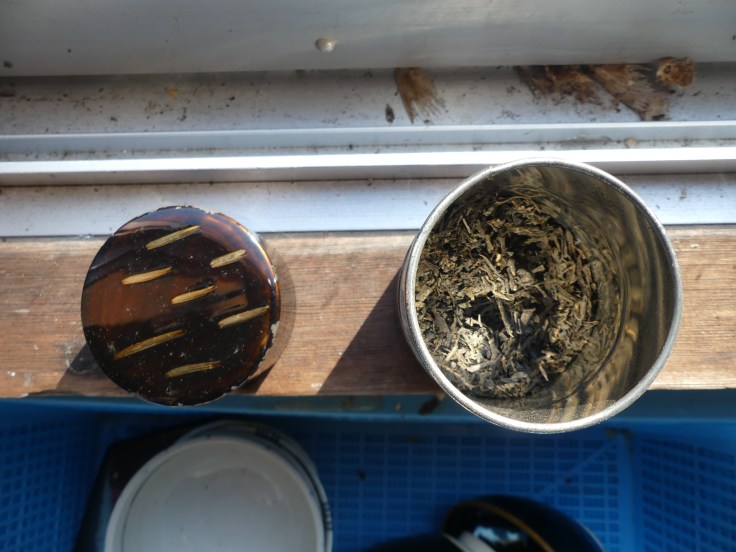 Tea box with outdated “Sencha green tea” inside. This was not drinkable anymore.
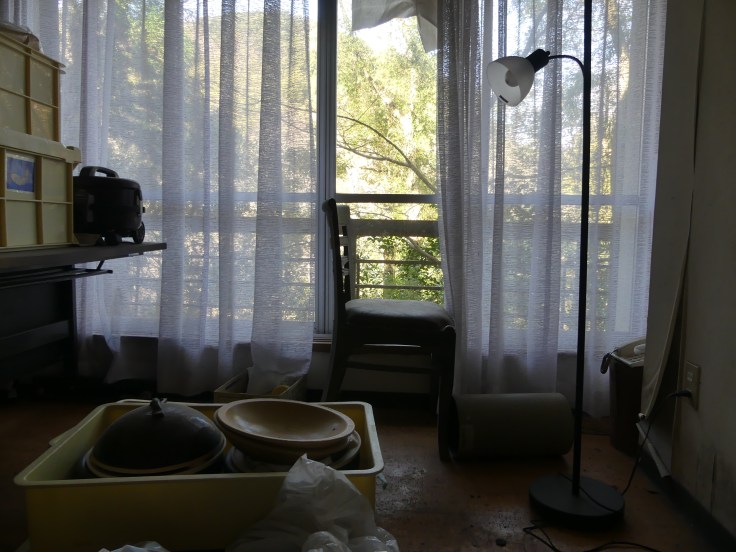
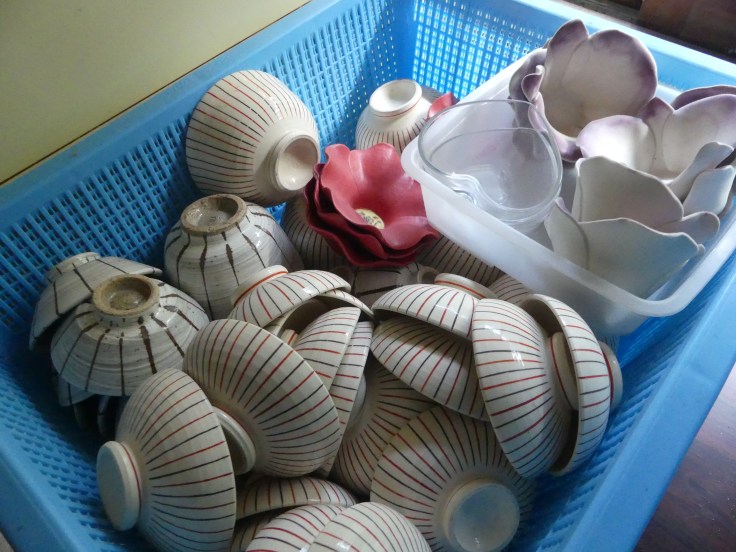 More bowls in perfect condition. So much furniture can still be used here. The hotel was full of them.
Let’s get in the rooms now.
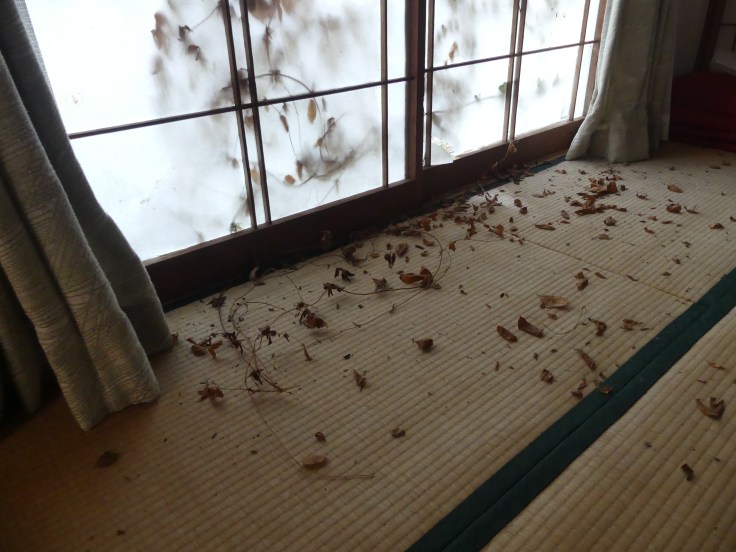
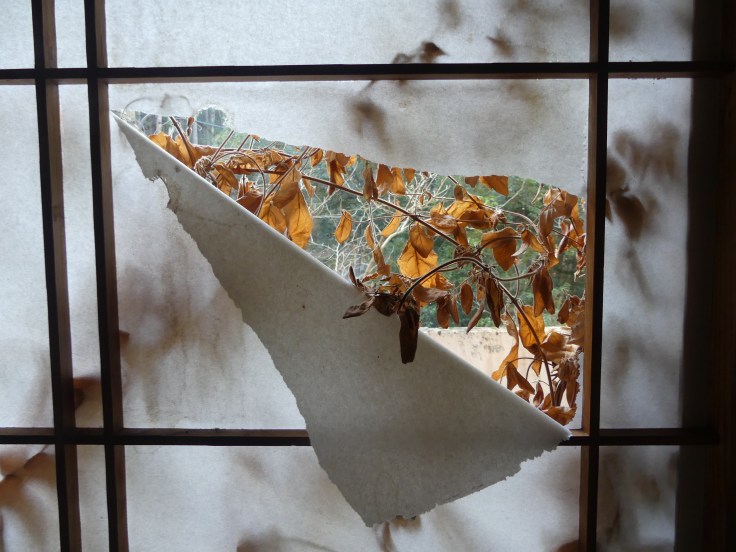
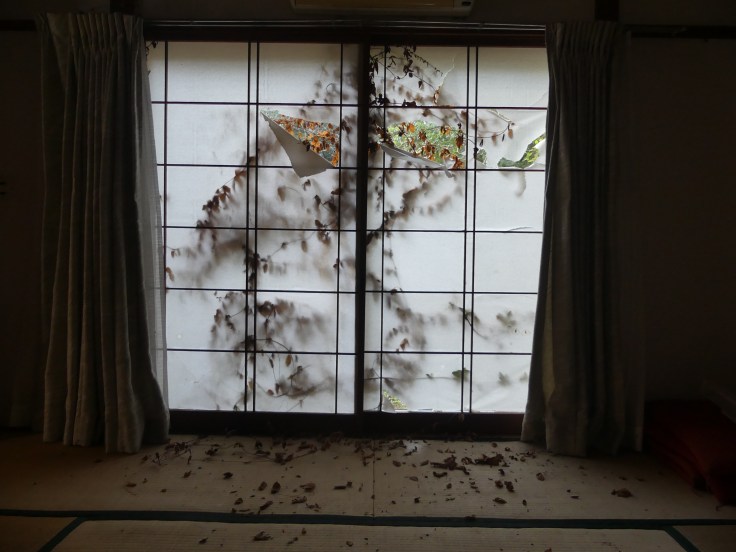 Nature is taking over slowly.
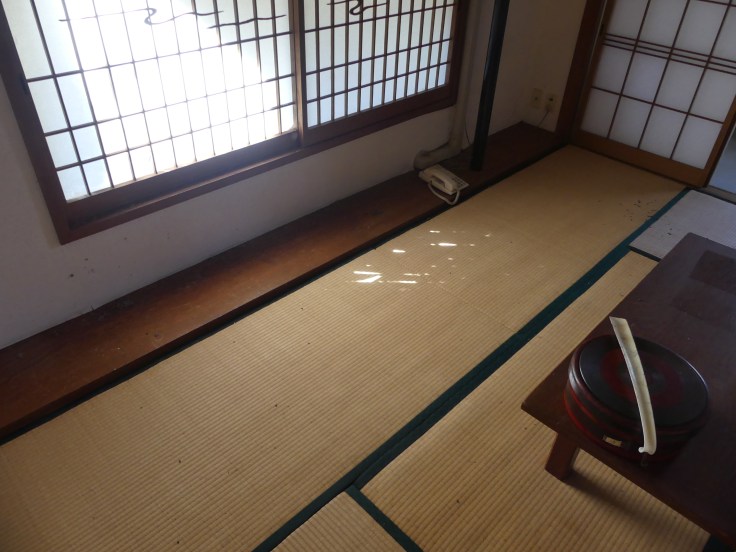
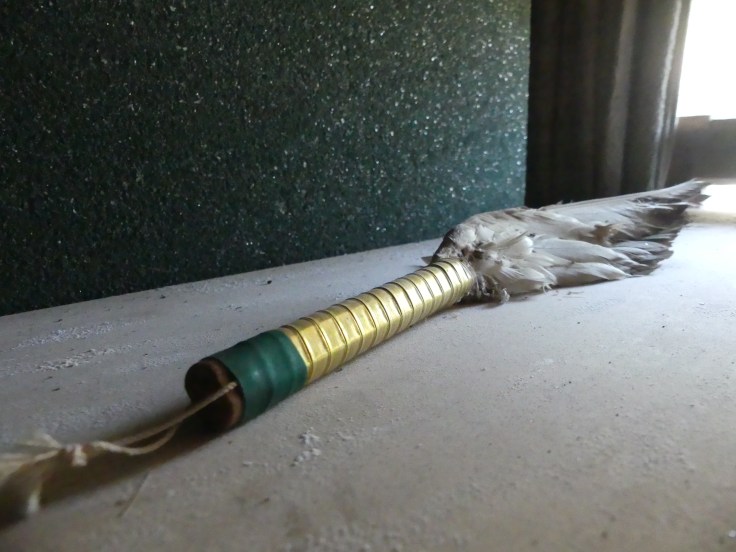 Tea ceremony feather. A tool used during the ceremony.
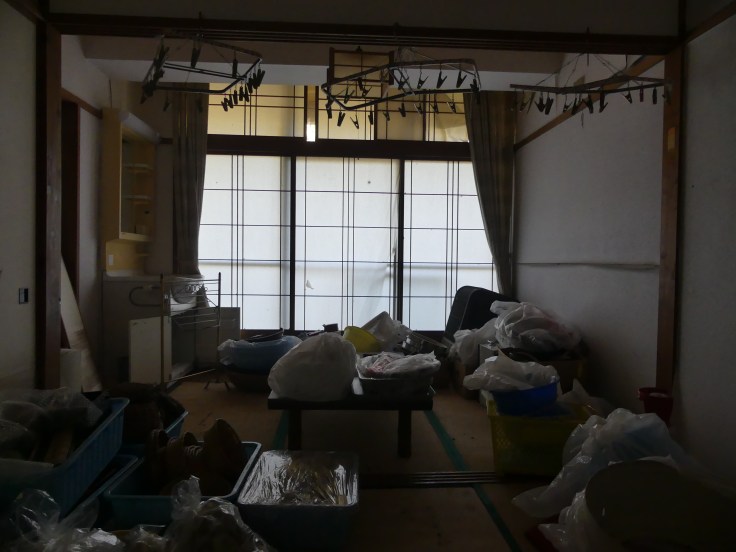 Anyone want a room ? I wonder why everything has been left behind like that.
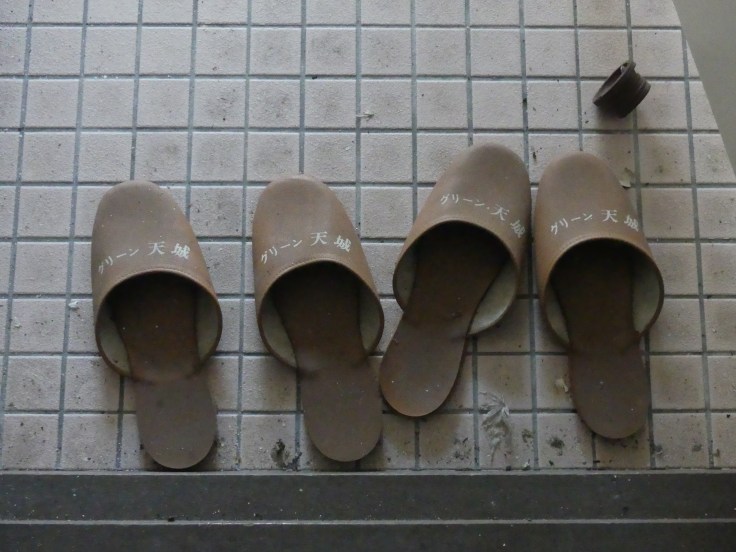 Japanese toilet , please use the sandals.
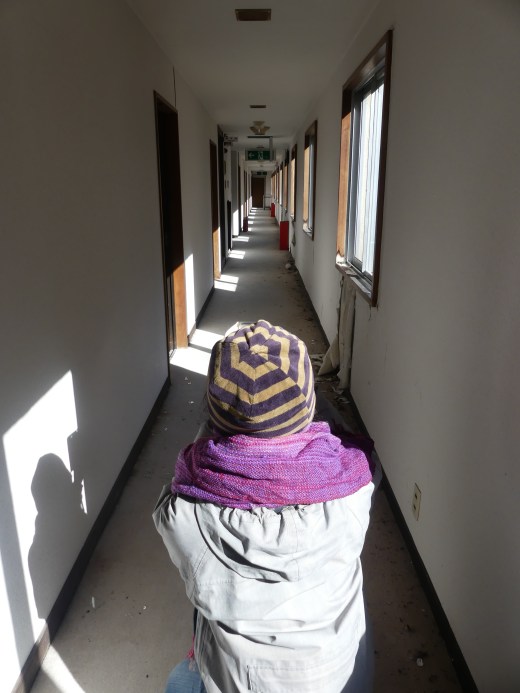
Corridor view. Today is my first exploration in Duo.
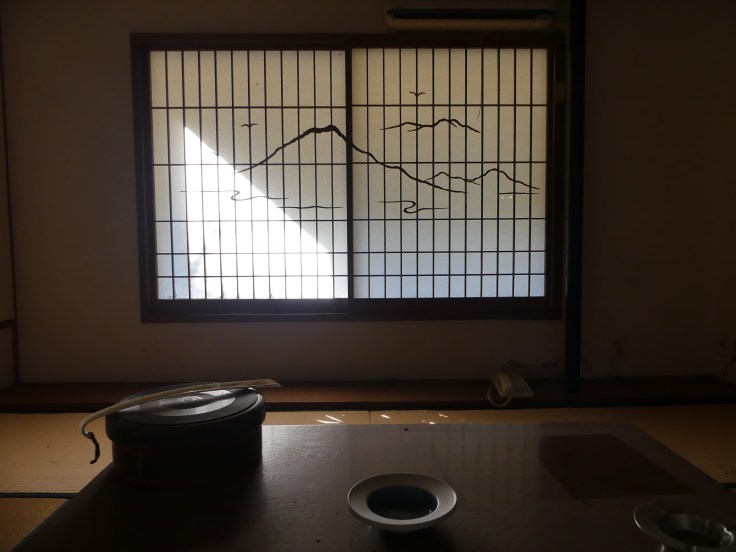 The rooms are nice , this was probably a fancy hotel. Each room had this circular box which contains the tools to prepare green tea.
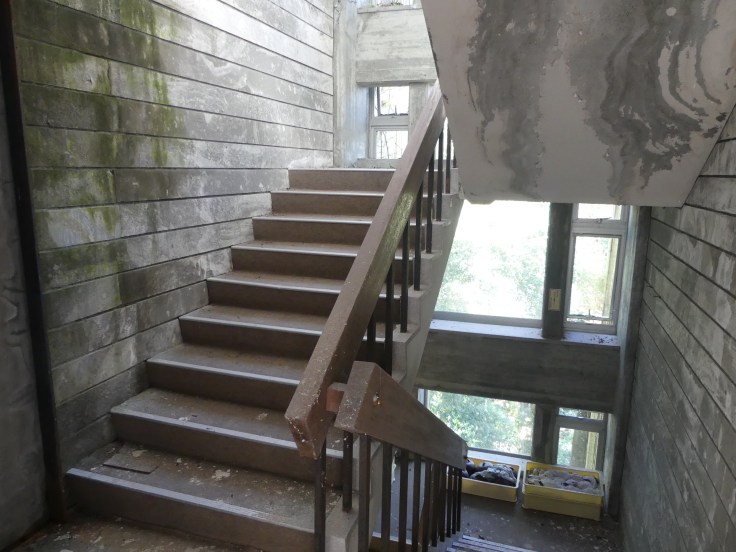 One more level ?
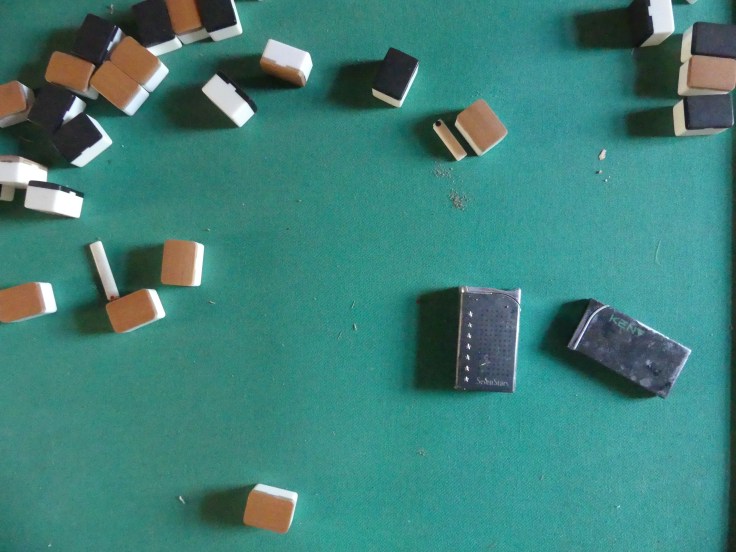
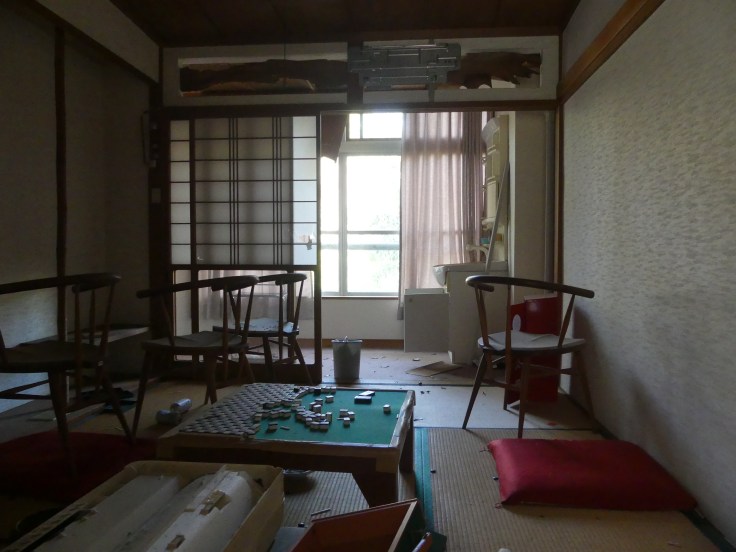 Mahjong game party.
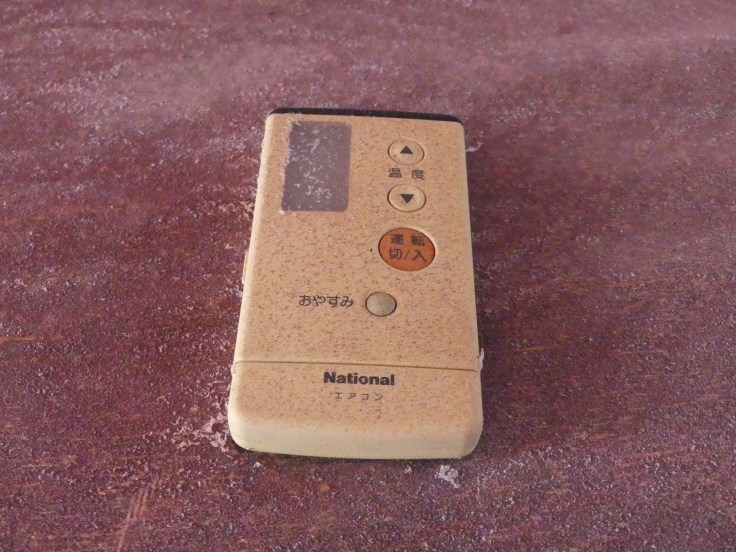 Dusty remote control for air conditioner probably.
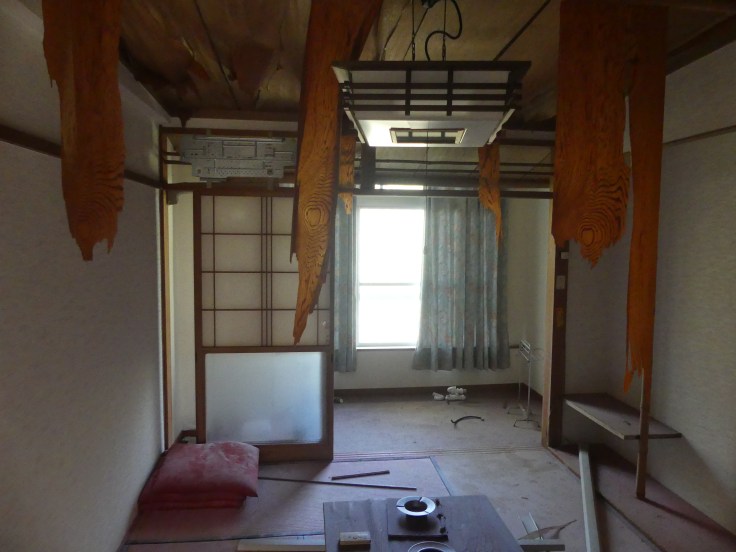 Decay phenomenon. The ceiling wood coating was falling apart in some rooms.
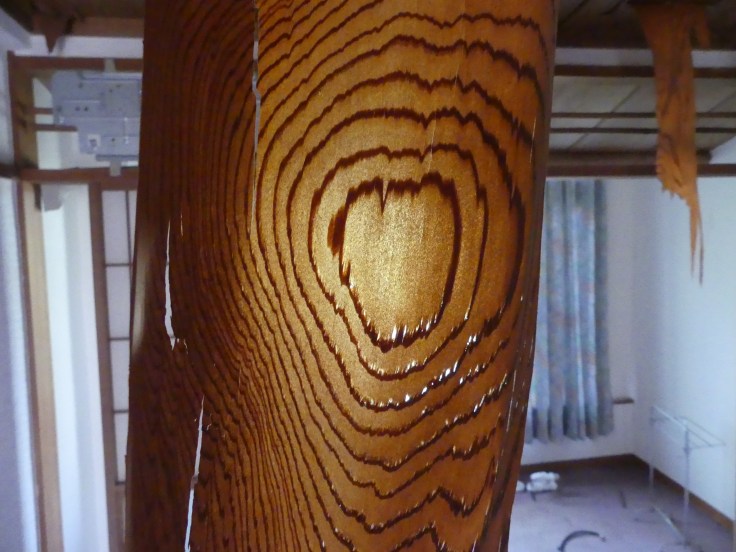 Pretty pattern to observe. Ruins are like open museums were the time stopped but not completely. Nature is taking control over this hotel now.
Suprise in the next room …
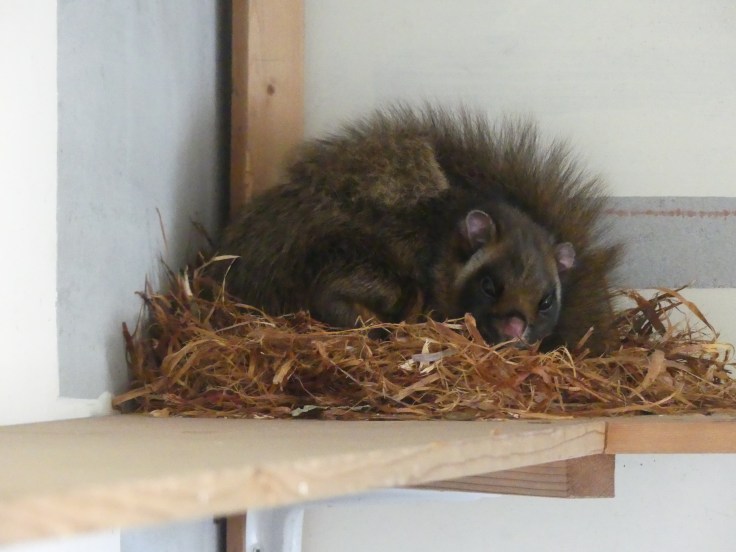 ..! A friend with fur enjoying a nap. Probably a Ferret. The window was broken here and this one has find the perfect room.
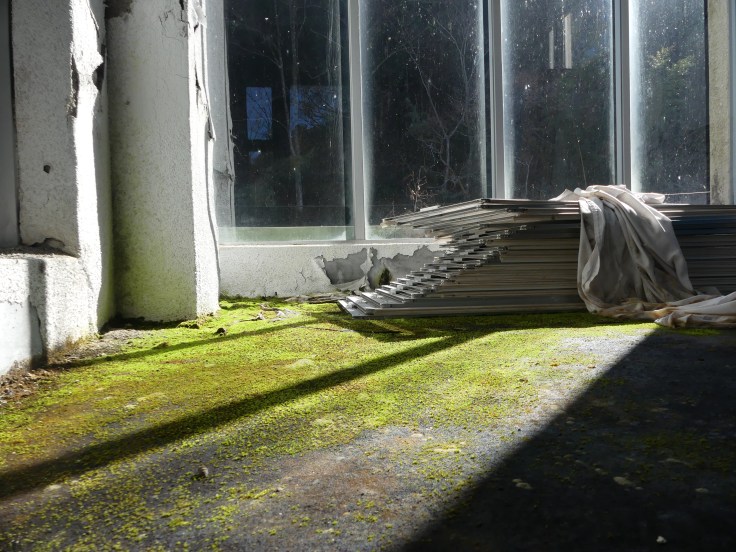
For our last section of the hotel we are going to the heart of the hotel , the Baths.
In Japan Onsen culture is really important. You can find theses big bath pretty much all over the country.
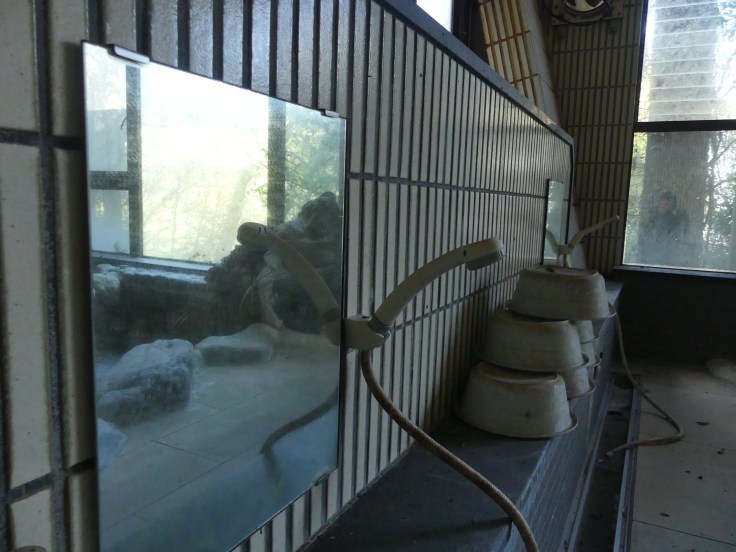
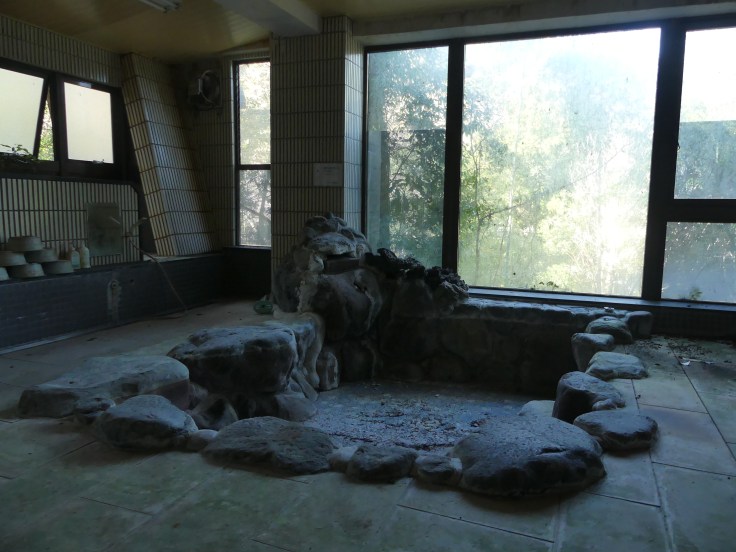 Big onsen in the man area. So strange to be in this room with clothes on and shoes. I got quite surprised to acknowledge the size difference between man and woman onsen. The women bath is always smaller and less nice.
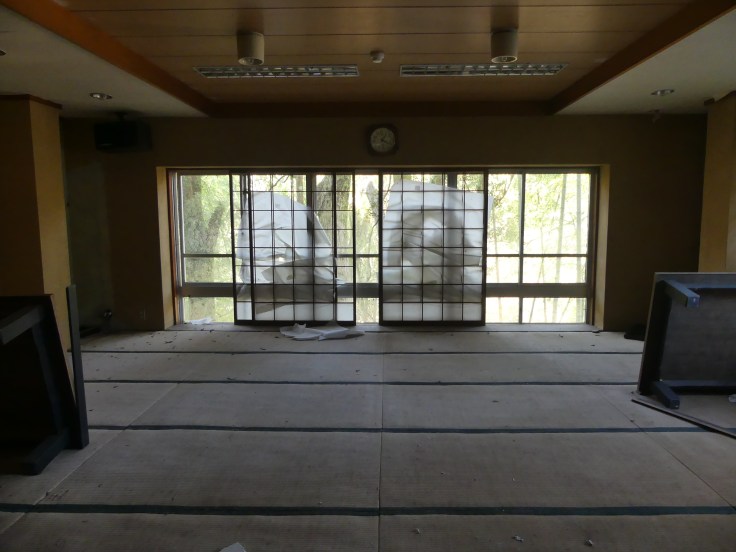 Big room next to the onsens , probably a dining room or a rest area.
It tooked use almost 2 hours to explore this old Ryokan. The interior was still well preserved and the exploration was not dangerous. The ground felt strong still.
This first Haikyo experience in Japan was fun and gave us good insight of the older time in Japan. So much history in these places.
According to our research this hotel opened in the 60’s and closed in 2008 for unknown reasons. The area is far away from the main town and there is already many onsens in Shuzenji area. I guess the competition must had been difficult to handle.
The mystery of the “Green Amagi” still remains today.
See you for the next exploration friends.
 free.cloud
Leave a comment